Romestead launches in Early Access: Rebuild Roman civilization during a zombie outbreak
Rome has fallen. The dead rise at night. And your mission — alone or with up to seven friends — is to rebuild civilization from the ashes. Romestead, the survival action-adventure game developed by indie studio Beartwigs and published by Three Friends, officially entered Early Access on Steam today, May 26, 2026.
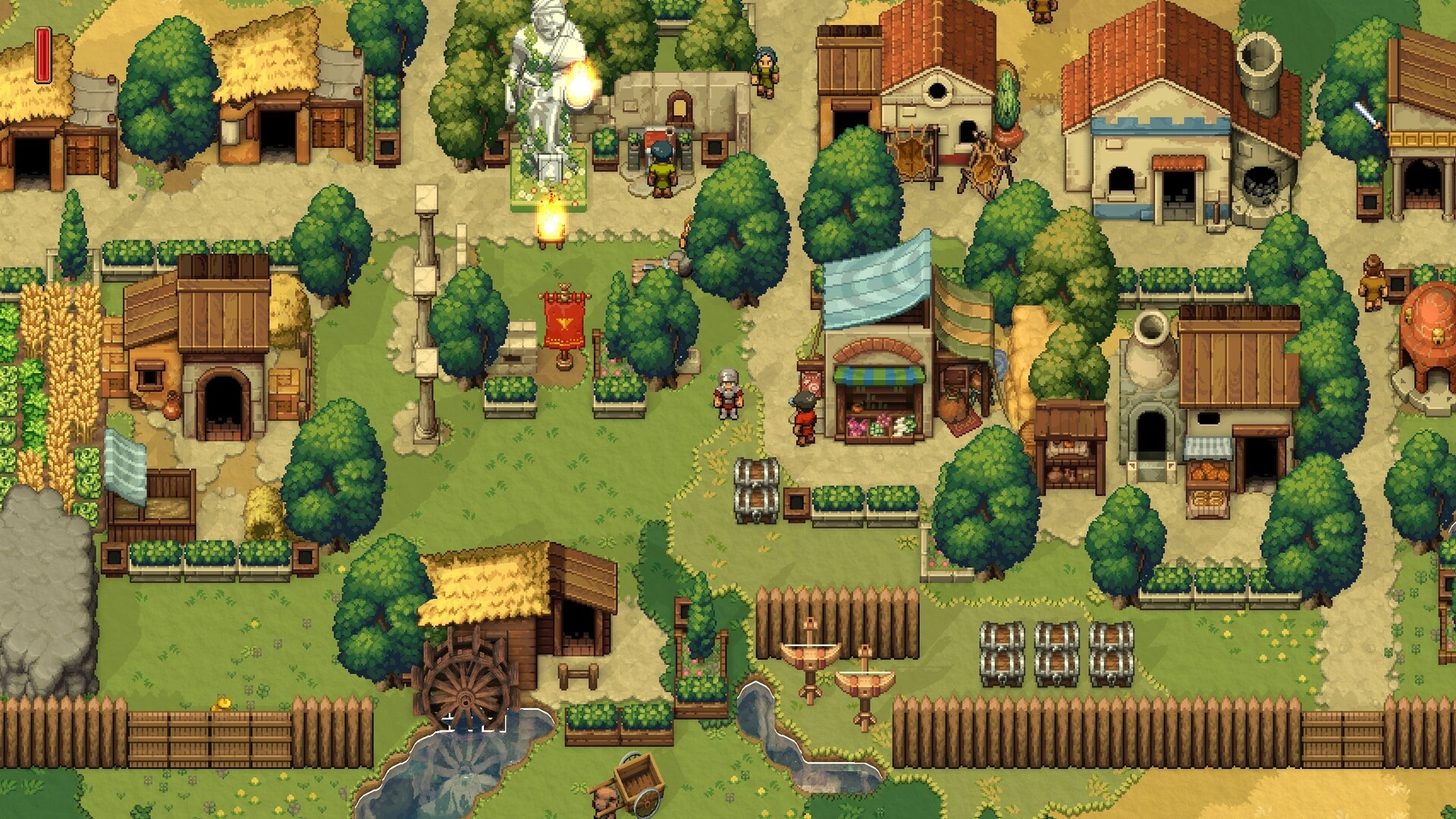
Rome has fallen. What happens next?
The premise of Romestead is simple but intriguing: a catastrophic event has destroyed Rome, and its people now return as undead creatures wandering through the night. Players begin with a small camp and must rebuild everything by hand — from blacksmith workshops and tanneries to farms and even relationships with the forgotten Roman gods.
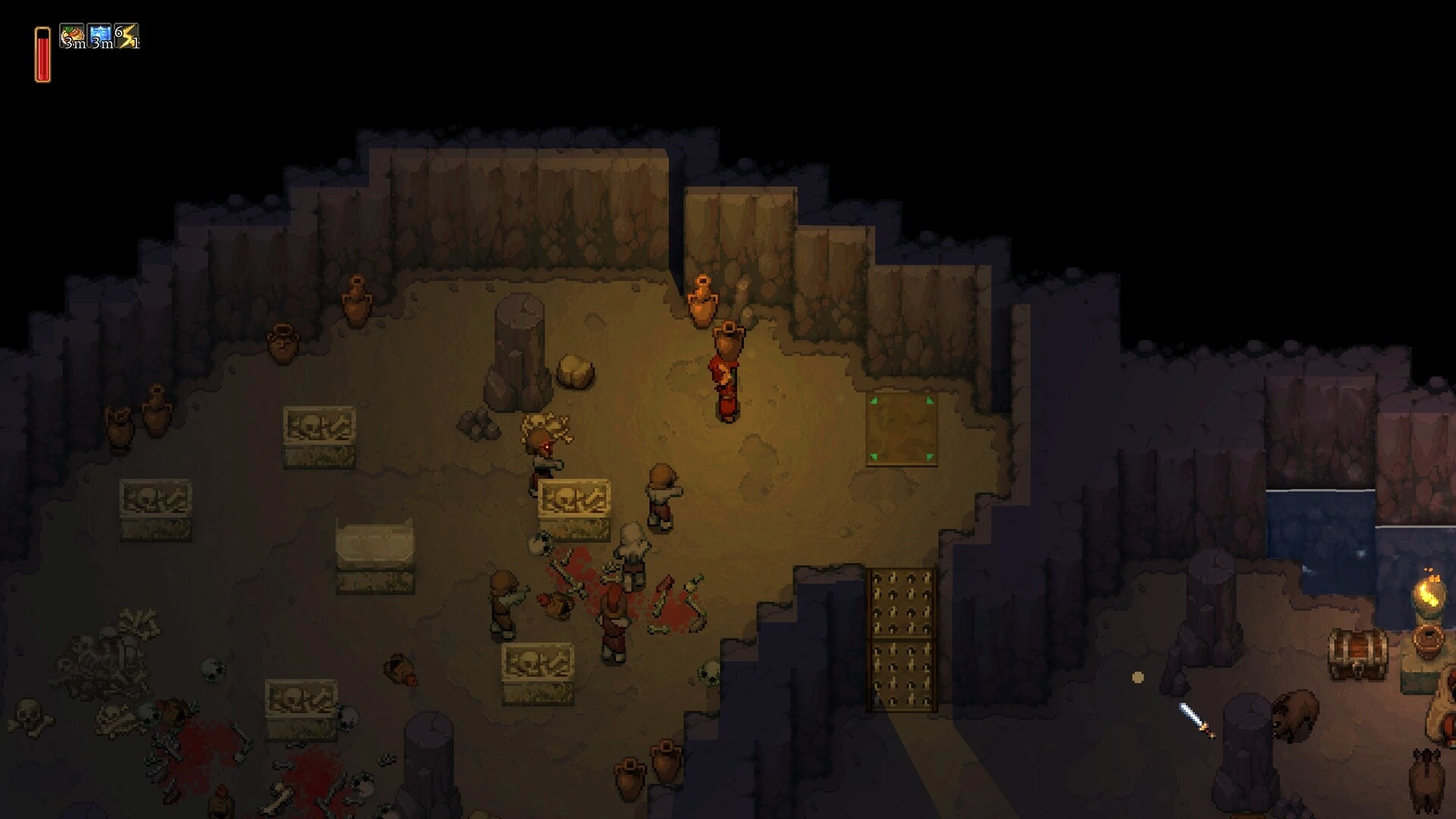
One of the game’s biggest strengths is its flexible playstyle. Want to focus on combat, dungeon runs, and boss fights? You can. Prefer farming, decorating your settlement, and hanging out with friends instead? That works too. Romestead allows both approaches to coexist in the same world.
An unusual resource management system
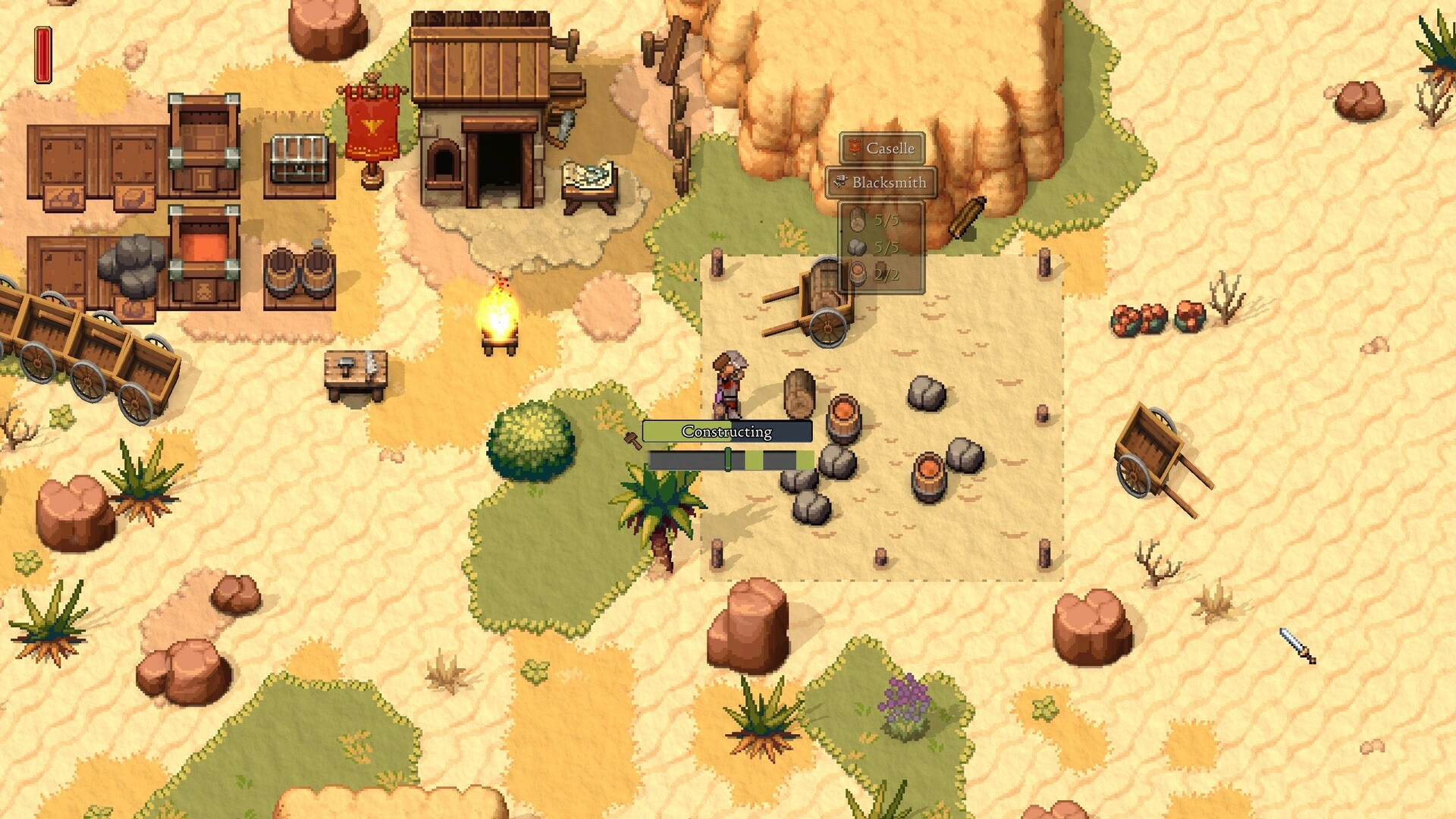
One standout feature in Romestead is its physics-based resource system. Wood and stone are not neatly stored in an inventory — they exist as physical objects in the world. Players can pick them up, carry them, throw them, or transport them using carts back to their settlement. It may sound inconvenient at first, but it also creates memorable moments. For example, while carrying a massive rock, you might suddenly get attacked by the undead — and end up throwing the stone straight at them.
Build settlements and recruit skilled workers
Romestead features a surprisingly deep settlement progression system. As players explore the world, they can discover and recruit other survivors, assigning them roles such as blacksmiths, leatherworkers, and farmers. Keeping residents fed and satisfied is essential for settlement growth. The more biomes players discover, the more specialized settlements they can establish, along with trade routes connecting them.
Roman gods and tiered crafting progression
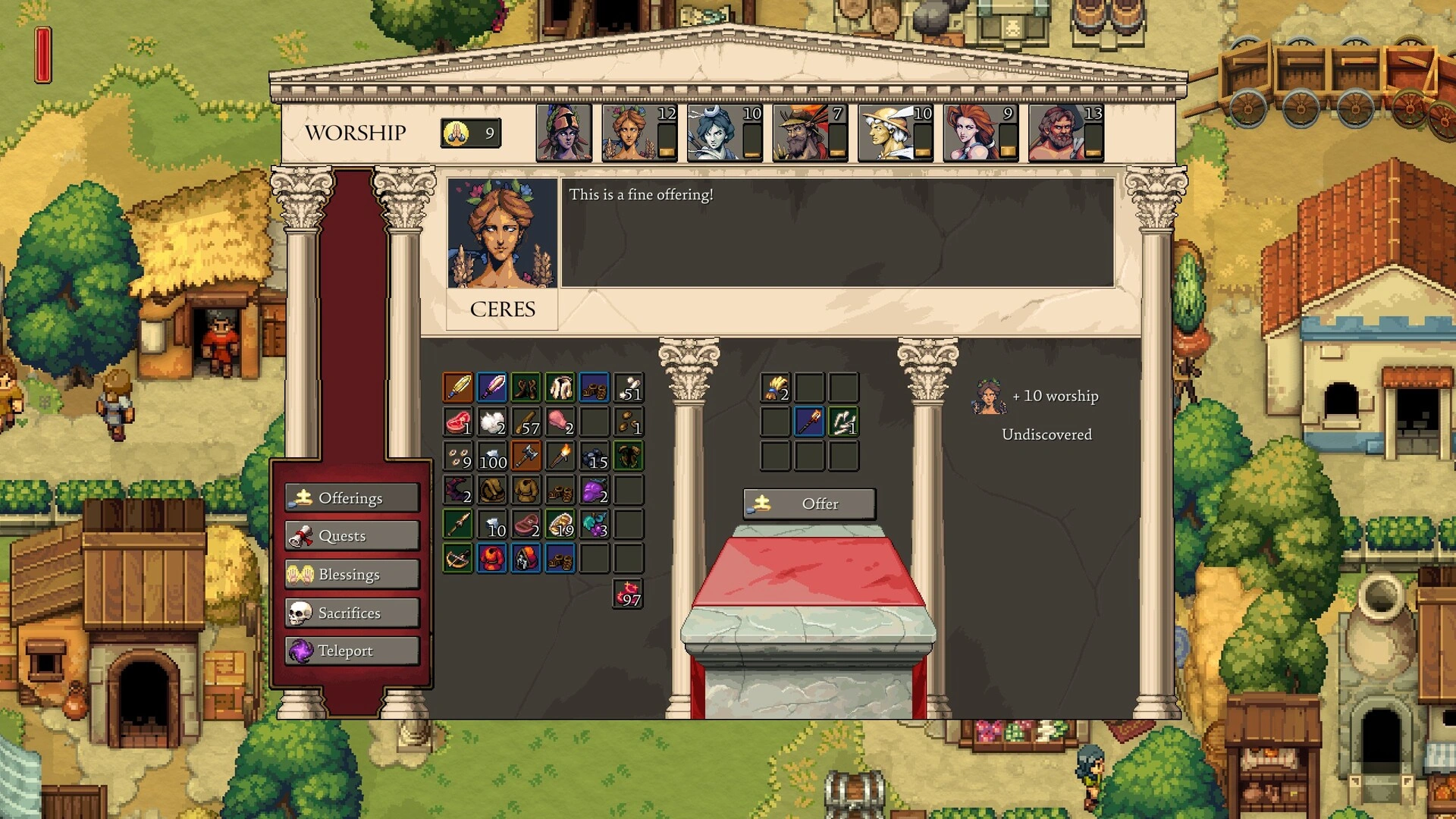
The game’s progression is structured around biomes: explore new regions, gather resources, upgrade gear, offer tributes to Roman gods, defeat bosses to unlock higher crafting tiers, and then move on to the next biome. Worshipping the gods is not just a cosmetic feature — it is the main way to unlock technologies, buffs, and special upgrades. Interestingly, each group can choose different gods to follow, leading to completely different skill combinations and strategies.
Online co-op for up to eight players
Romestead supports solo play, online co-op, and LAN multiplayer for up to eight players. According to the developers, they “won’t stop you from inviting more.” Difficulty automatically scales based on the number of players in the world. In multiplayer sessions, groups can divide responsibilities naturally: one player handles combat, another gathers resources, someone focuses on farming, while others manage automated production systems. Solo players will need to handle everything themselves, but the experience is still designed to remain fully playable alone.
Procedurally generated worlds with handcrafted content
Romestead features procedurally generated maps for every new playthrough, while special locations, secrets, and dungeons are handcrafted by the developers. Dungeons range from short combat challenges to lengthy adventures filled with puzzles and enemies. Rewards include gear, trinkets, and new survivors to recruit.
