Automaton Heart — RPG platformer launches with organ upgrades instead of weapon shopping
On May 29, 2026, Automaton Heart officially launched on Steam — an RPG platformer developed entirely by a solo creator without using any generative AI tools during production.
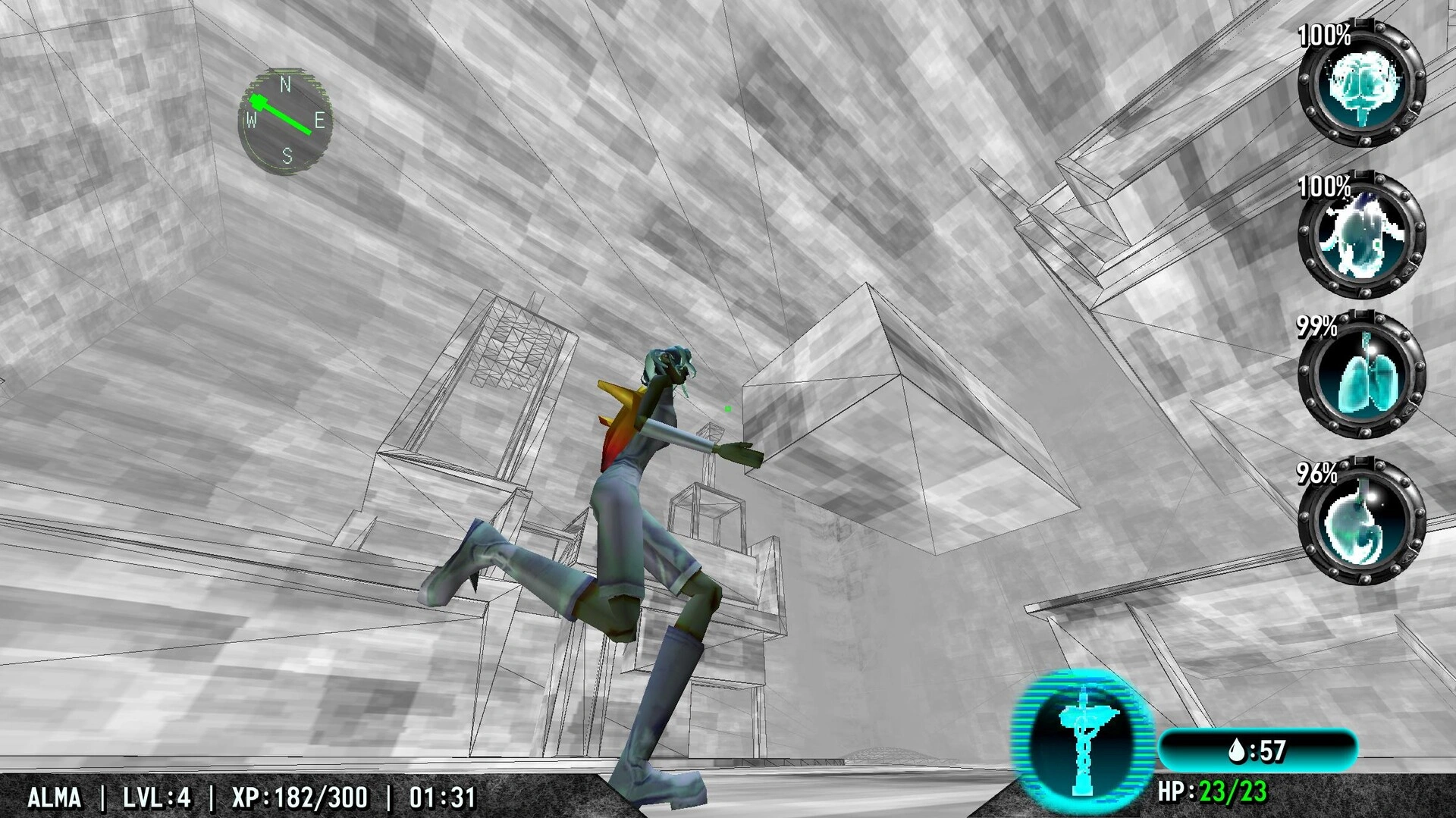
Upgrade organs instead of buying gear
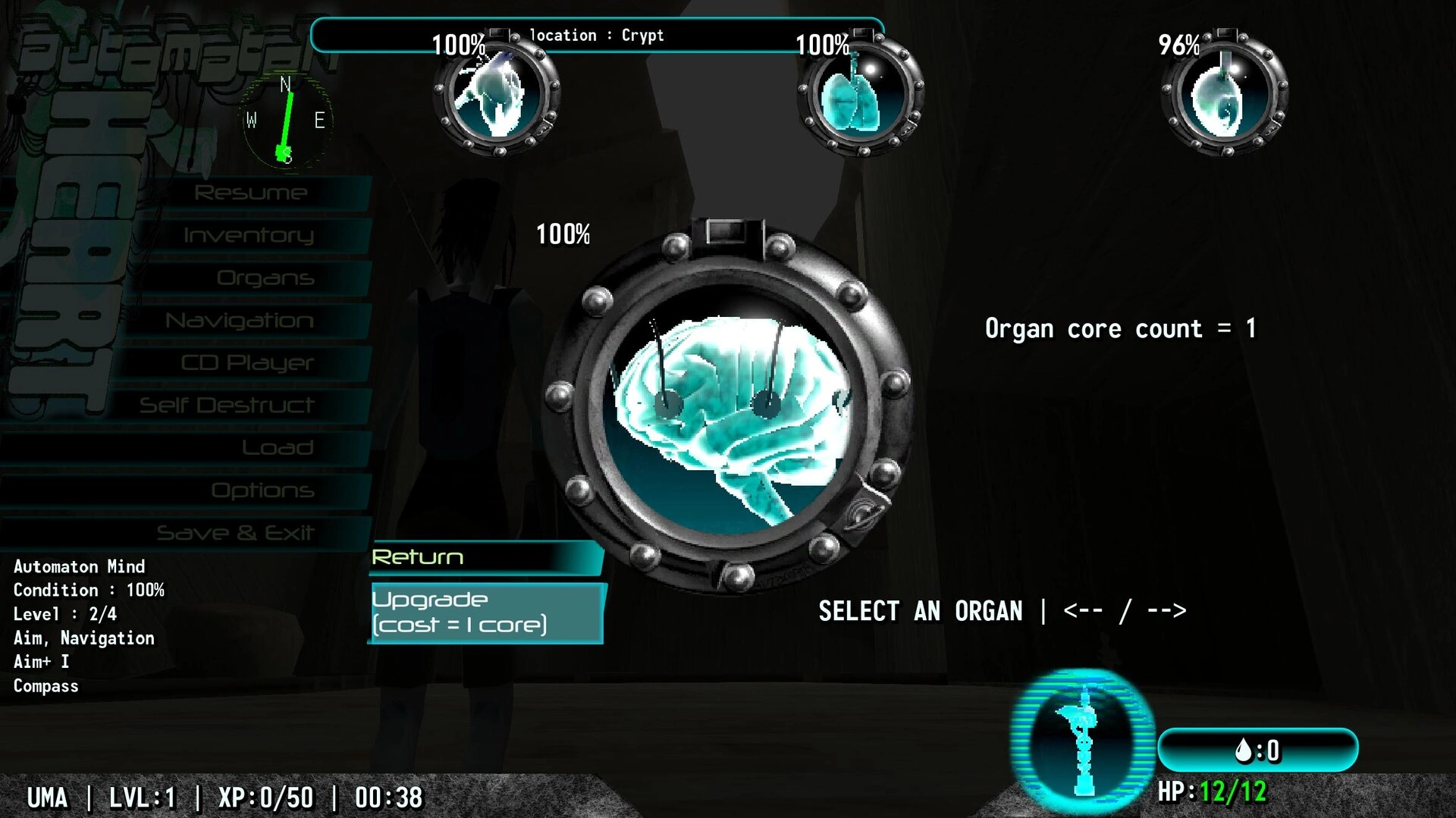
The biggest difference between Automaton Heart and traditional RPGs is its Organ Management system. Instead of searching for weapons or armor, players allocate organ cores earned from leveling up to different parts of their automaton bodies.
Every upgrade choice has meaningful consequences. Improving the brain unlocks useful navigation tools, while upgrading the lungs allows characters to dive deeper underwater. These upgrades do more than change combat stats — they also open access to entirely new areas.
Three characters, three playstyles
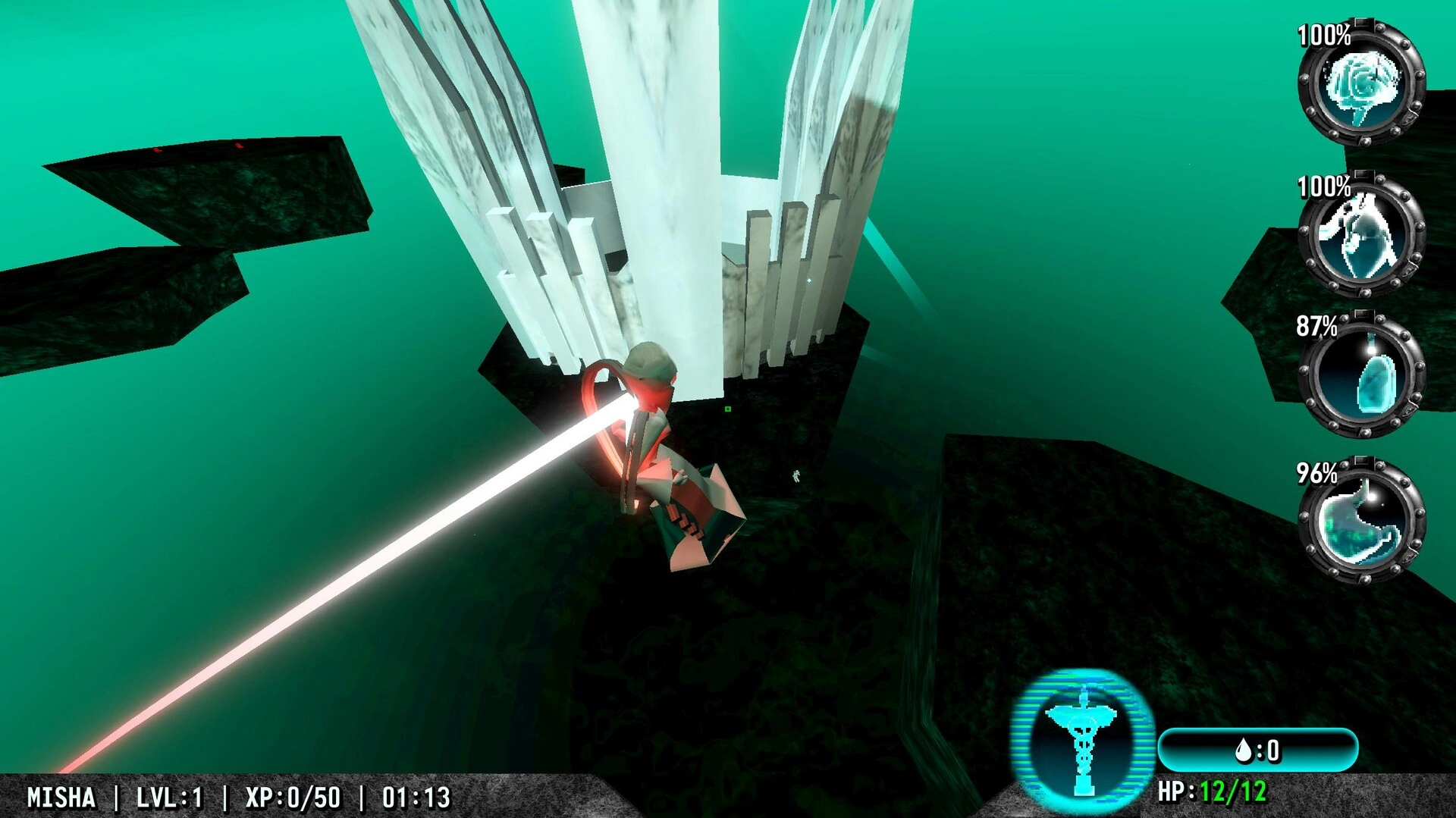
Players experience the story through three automatons: Uma, Alma, and Misha. Each character has six exclusive abilities with varied effects — from summoning allies to performing short bursts of aerial movement.
Plan before every journey
The world of Automaton Heart is persistent, meaning everything remains in place and does not reset. Players can hide items in secret locations and return later to collect them, but caution is necessary: enemies can follow across areas and may even steal items from players or pick them up from the ground.
Before setting out, deciding what items to bring becomes a major strategic decision because inventory space is limited. Merchants and friendly creatures can also trade with players, but conversations and exchanges require careful consideration.
Experience comes from more than combat
One interesting aspect of the progression system is that EXP can be earned through multiple activities: defeating enemies, discovering hidden areas, or installing computer chips directly into your body instead of selling them. These seemingly small decisions can have lasting effects on character development.
A handcrafted game from start to finish
The developer states on Steam that the project was built over an extended period without using any generative tools — a relatively uncommon claim in today's gaming industry. For players who appreciate highly personal creative projects, this may become a meaningful selling point.
